


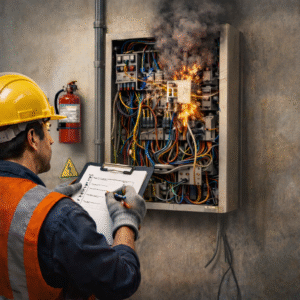

When homeowners think about electrical work, the term “electrician” usually comes to mind. Electrical contractors are often associated with large commercial or industrial projects, which leads many people to wonder whether they are even allowed to work on residential properties.
The short answer is yes. Electrical contractors can work on residential properties in Australia, provided they hold the correct licences and meet regulatory requirements. In many cases, hiring an electrical contractor offers additional benefits beyond standard electrical services, especially for complex, high-risk or long-term residential projects.
This article explains how electrical contracting works in Australia, the difference between electricians and electrical contractors in residential settings, what types of residential work contractors can perform, and when homeowners should consider hiring one.
What Is an Electrical Contractor in Australia?
An electrical contractor is a licensed individual or business authorised to carry out and manage electrical work. Unlike individual electricians who perform hands-on tasks, an electrical contractor is legally responsible for the electrical work being completed.
Key Responsibilities of an Electrical Contractor
- Managing and supervising electrical work
- Employing or engaging licensed electricians
- Ensuring compliance with Australian standards
- Providing testing and compliance documentation
- Taking legal responsibility for safety and quality
Electrical contractors often perform work themselves, but their primary role is accountability and oversight.
Electrical Contractor vs Electrician in Residential Work
Understanding the distinction helps homeowners make the right choice.
Electricians
- Carry out physical electrical work
- Install and repair wiring, outlets and equipment
- Work under a contractor’s licence on larger jobs
Electrical Contractors
- Hold contractor-level licences
- Can employ electricians
- Take responsibility for the completed work
- Provide compliance certificates
In residential settings, an electrician may do the work, but an electrical contractor is often the licensed party legally responsible for it.
Are Electrical Contractors Allowed to Work on Residential Properties in Australia?
Yes. Electrical contractors are legally allowed to work on residential properties across Australia.
Why This Is Allowed
Electrical contractors are licensed to manage electrical work regardless of property type. Residential, commercial and industrial classifications relate more to project complexity than legal permission.
As long as the contractor:
- Holds the correct electrical contractor licence
- Uses licensed electricians
- Follows Australian standards
They can legally work on homes, apartments, townhouses and residential complexes.
Types of Residential Electrical Work Electrical Contractors Can Perform
Electrical contractors can handle both simple and complex residential electrical work.
General Residential Electrical Services
Electrical contractors can manage and deliver:
- New home electrical installations
- Power point and lighting installations
- Switchboard upgrades
- Safety switch and circuit breaker installations
- Electrical fault finding and repairs
- Smoke alarm installations
These services are common across residential properties.
Major Renovations and New Builds
Electrical contractors are especially valuable for large residential projects.
Why Contractors Are Useful for Renovations
- Multiple electricians may be involved
- Coordination with builders is required
- Compliance documentation is critical
- Electrical capacity often needs upgrading
Contractors ensure the entire electrical scope is delivered safely and correctly.
Apartment Buildings and Residential Complexes
Multi-dwelling properties introduce additional complexity.
Contractor-Led Services Include
- Shared electrical infrastructure
- Common area lighting and power
- Compliance upgrades
- Maintenance programs
Electrical contractors help manage risk across multiple residences.
Energy and Technology Upgrades
Modern homes increasingly rely on advanced electrical systems.
Residential Upgrades Contractors Handle
- Solar readiness and switchboard upgrades
- Electric vehicle charger installations
- Smart home systems
- Load management for high-demand equipment
These upgrades often require planning beyond basic electrical work.
Licensing Requirements for Residential Electrical Contractors
Licensing is critical in Australia.
Electrical Contractor Licensing
Each Australian state and territory regulates electrical licensing, but requirements are similar nationwide.
To work legally, an electrical contractor must:
- Hold a valid electrical contractor licence
- Maintain required insurance
- Ensure all electricians are licensed
- Comply with safety and testing requirements
Homeowners should always verify licensing before engaging a contractor.
Why Licensing Matters for Homeowners
Hiring a licensed electrical contractor ensures:
- Work complies with Australian standards
- Safety risks are properly managed
- Compliance certificates are provided
- Insurance remains valid
Unlicensed work can void insurance and expose homeowners to legal risk.
When Should Homeowners Consider Hiring an Electrical Contractor?
Not all residential jobs require a contractor, but many do.
Scenario 1: Major Renovations or Extensions
Large renovations often require:
- New circuits
- Switchboard upgrades
- Increased power capacity
An electrical contractor ensures systems are designed for long-term use.
Scenario 2: Older Homes With Outdated Electrical Systems
Older homes may have:
- Insufficient capacity
- Unsafe wiring
- Non-compliant switchboards
Contractors help manage safety and compliance during upgrades.
Scenario 3: Installing High-Load Equipment
Examples include:
- EV chargers
- Large air conditioning systems
- Home workshops
Electrical contractors assess whether systems can safely handle increased load.
Scenario 4: Multi-Dwelling or Strata Properties
Strata properties require:
- Clear documentation
- Ongoing compliance
- Shared infrastructure management
Electrical contractors provide structured oversight.
Do Electrical Contractors Cost More for Residential Work?
Many homeowners assume contractors are more expensive.
The Reality
Electrical contractors may charge more than individual electricians, but they often reduce total cost by:
- Preventing rework
- Ensuring compliance first time
- Reducing long-term maintenance issues
For complex jobs, the cost difference is often minimal compared to the benefits.
Common Myths About Electrical Contractors and Residential Work
Electrical contractors are only for commercial projects
False. Many contractors regularly work on residential properties.
An electrician is always cheaper
Not always. Repeated repairs and compliance issues often cost more.
Contractors are unnecessary for homes
For small jobs this may be true, but complex work benefits from contractor oversight.
What to Expect When Hiring an Electrical Contractor for Your Home
A professional electrical contractor will typically:
- Assess your property and electrical system
- Explain safety or compliance concerns
- Provide a clear scope of work
- Coordinate electricians and other trades
- Deliver compliance certificates upon completion
Clear communication and documentation are key benefits.
Frequently Asked Questions
Can electrical contractors legally work on houses in Australia?
Yes. Electrical contractors are legally allowed to work on residential properties if properly licensed.
Do I need an electrical contractor or an electrician for my home?
Small jobs usually only require an electrician. Large or complex work often benefits from an electrical contractor.
Are electrical contractors required for home renovations?
Not always, but major renovations often require contractor oversight for safety and compliance.
Do electrical contractors provide compliance certificates?
Yes. Licensed electrical contractors provide required testing and compliance documentation.
Can an electrical contractor install EV chargers at home?
Yes. Electrical contractors commonly manage EV charger installations and related upgrades.
Conclusion
Electrical contractors are not limited to commercial or industrial projects. In Australia, licensed electrical contractors can legally and safely work on residential properties, and in many situations, they are the best choice for managing complex, high-risk or long-term electrical work.
From major renovations and new builds to energy upgrades and compliance improvements, electrical contractors provide structure, accountability and peace of mind for homeowners. Understanding when to engage one helps protect both safety and investment.
At ASJ Electrical Solutions, we support residential clients with professional electrical contracting services that prioritise safety, compliance and long-term performance. Whether you are renovating, upgrading or simply want confidence that your home’s electrical system is fit for the future, ASJ Electrical Solutions delivers reliable expertise you can trust. If you are unsure whether an electrical contractor is right for your residential project, speaking with our team is the first step toward clarity and confidence.