
Solar energy is becoming a major part of how commercial and industrial businesses manage energy costs and sustainability goals. Many organisations across Queensland and Australia are investing in rooftop solar, battery storage and distributed energy systems to reduce grid reliance and improve long-term operational efficiency.
However, installing solar infrastructure is not the final step. Businesses must also ensure that these systems meet network and safety requirements. This is where Solar DER compliance inspections play an important role.
For businesses that rely on solar energy as part of their operational strategy, understanding Solar DER compliance inspections is essential for maintaining safety, protecting assets and ensuring ongoing grid connection approval.
What Are Solar DER Compliance Inspections?
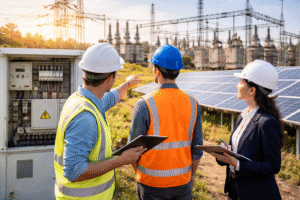
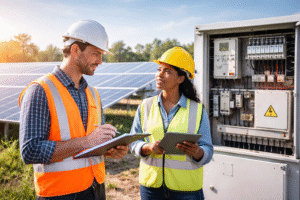
Solar DER compliance inspections are structured assessments that confirm distributed energy systems meet technical, safety and regulatory standards.
These inspections evaluate whether solar installations comply with requirements such as:
- Grid connection standards
- Electrical safety regulations
- Inverter protection settings
- System configuration requirements
- Installation quality and documentation
The inspection ensures that the solar system operates safely within the electricity network without causing instability or safety hazards.
Compliance inspections are typically required during commissioning, after system upgrades or when regulatory verification is needed.
Why Solar DER Compliance Matters for Businesses
Solar systems connected to the electricity network must operate within strict parameters to maintain grid stability. If solar installations are configured incorrectly or protection settings are misaligned, they can create risks such as power quality issues, backfeed hazards or network disturbances.
Solar DER compliance inspections help ensure that systems operate safely and responsibly within the broader electrical network.
For businesses, this provides several important benefits.
Maintaining Grid Connection Approval
Network operators require solar systems to meet compliance standards before they are allowed to connect to the grid.
A compliance inspection confirms that:
- Inverters operate within approved limits
- Protection settings meet network requirements
- Export limits are properly configured
Failure to meet these requirements may result in connection delays or restrictions.
Ensuring Electrical Safety
Solar installations introduce additional electrical components such as inverters, isolators, cabling and monitoring equipment.
Compliance inspections verify that these components are installed correctly and safely integrated into the existing electrical infrastructure.
This reduces risks such as:
- Overheating components
- Incorrect wiring
- Faulty isolation devices
- Unsafe installation practices
Electrical safety is especially critical for commercial and industrial sites where energy loads are high.
Protecting Equipment and Infrastructure
Improperly configured solar systems can place stress on electrical infrastructure and connected equipment.
Compliance inspections help identify issues such as:
- Inverter misconfiguration
- Improper protection settings
- Incorrect system sizing
- Inadequate switchboard capacity
By addressing these issues early, businesses protect valuable electrical assets and reduce the likelihood of equipment damage.
Supporting Regulatory and Network Compliance
Solar installations in Australia must comply with various electrical and network standards.
Solar DER compliance inspections help businesses demonstrate adherence to these requirements and maintain proper documentation for audits, insurance and regulatory review.
What Is Typically Checked During a Solar DER Compliance Inspection?
While inspection scope may vary depending on the project, several core components are typically evaluated.
Solar Inverter Configuration
Inverters are one of the most critical components in a solar system. They control how electricity is converted and delivered to the grid.
During a compliance inspection, inspectors verify that:
- Inverter settings match network requirements
- Protection settings are correctly configured
- Voltage and frequency limits are within approved ranges
- Anti-islanding protection is functioning correctly
Incorrect inverter configuration is one of the most common causes of non-compliance.
Grid Protection and Control Systems
Protection systems ensure that solar installations disconnect safely when network conditions require it.
Compliance inspections review:
- Protection relay settings
- Trip parameters
- Export limits
- Response times
These protections prevent solar systems from interfering with grid stability.
Switchboard Integration
The solar system must be safely integrated into the site’s existing electrical infrastructure.
Inspectors review:
- Switchboard capacity
- Isolation devices
- Circuit protection
- Cable sizing and routing
Improper switchboard integration can introduce both safety risks and operational issues.
Wiring and Installation Quality
Installation quality plays a major role in system safety and performance.
Inspectors assess:
- Cable termination quality
- Mounting and installation practices
- Isolation and disconnection points
- Compliance with electrical standards
Poor installation practices can lead to overheating, equipment failure or safety hazards.
Documentation and System Records
Solar DER compliance inspections also review documentation to confirm that system design and installation meet regulatory expectations.
Typical documentation includes:
- Electrical drawings
- System configuration records
- Inverter settings documentation
- Commissioning reports
Accurate records support compliance verification and future maintenance.
When Do Businesses Need Solar DER Compliance Inspections?
Solar DER compliance inspections may be required at several stages of a system’s lifecycle.
During System Commissioning
Before a solar system becomes fully operational, inspections confirm that installation and configuration meet network requirements.
After System Expansion or Modification
If additional panels, inverters or battery storage are added, the system may require reassessment to ensure continued compliance.
During Network Verification Requests
Network operators may request compliance verification to ensure systems continue operating within approved parameters.
When Addressing System Performance Issues
If solar systems experience unexpected shutdowns, export restrictions or power quality issues, compliance inspections help identify underlying causes.
Risks of Operating Without Proper DER Compliance
Operating a solar system without proper compliance verification can create significant risks for businesses.
These risks may include:
- Grid connection restrictions
- Reduced solar export capability
- Electrical safety hazards
- Equipment damage
- Regulatory non-compliance
In severe cases, non-compliant systems may be disconnected from the network until issues are resolved.
How Solar DER Compliance Inspections Support Energy Reliability?
Beyond compliance, inspections also support long-term system reliability.
Properly configured solar systems operate more efficiently and integrate smoothly with existing electrical infrastructure.
Benefits include:
Improved System Stability
Correct protection settings reduce disruptions and maintain stable operation.
Better Power Quality
Compliance checks ensure voltage and frequency remain within safe limits.
Reduced Equipment Stress
Balanced electrical loads protect both solar equipment and connected infrastructure.
Greater Confidence in System Performance
Regular inspection provides clarity about system condition and configuration.
Industries That Benefit from Solar DER Compliance Inspections
Solar DER compliance inspections are particularly valuable for:
- Manufacturing facilities
- Warehouses and logistics centres
- Commercial office buildings
- Retail complexes
- Industrial processing plants
- Multi-site businesses operating large solar systems
In these environments, energy reliability and regulatory compliance are essential.
Frequently Asked Questions
What does DER stand for in solar systems?
DER stands for Distributed Energy Resources. It refers to energy generation systems located at or near the point of use, such as solar panels and battery storage.
Are Solar DER compliance inspections mandatory?
In many cases, compliance verification is required for grid connection approval and regulatory alignment.
What happens if a solar system fails a compliance inspection?
If non-compliance is identified, corrective actions may be required before the system can operate fully or export electricity to the grid.
Can Solar DER compliance inspections prevent system issues?
Yes. Inspections identify configuration errors, installation problems and protection issues before they affect system performance.
Do inspections require system shutdown?
Some checks can be performed while the system is operational, although certain tests may require controlled shutdown depending on scope.
Conclusion
Solar energy systems offer significant advantages for businesses seeking to reduce energy costs and improve sustainability. However, these systems must operate within strict safety and network standards to ensure stable integration with the electricity grid.
Solar DER compliance inspections provide the verification needed to confirm that distributed energy systems meet these requirements. By reviewing inverter settings, protection systems, installation quality and documentation, inspections help businesses maintain compliance, protect infrastructure and ensure reliable energy performance.
For commercial and industrial organisations investing in solar technology, compliance inspections are an essential step in safeguarding both electrical safety and long-term system reliability.
ASJ Electrical Solutions supports businesses with structured Solar DER compliance inspections that verify system configuration, strengthen grid compliance and provide clear recommendations for maintaining safe and efficient solar operations.