


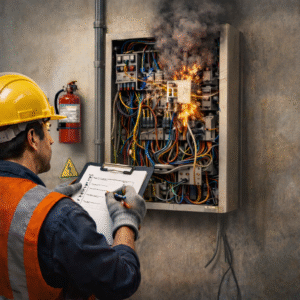

Electrical systems play a critical role in the safety, efficiency and reliability of any property or project. Whether you are managing a commercial building, industrial facility or major renovation, electrical decisions made early can have long-term consequences. Yet many businesses only seek expert help after problems arise.
Knowing when to hire an electrical consultant can save you from costly design flaws, compliance issues, energy waste and unexpected downtime. This guide explains the key signs your project needs an electrical consultant and how early involvement can protect both your budget and your operations.
What Does an Electrical Consultant Do in a Project?
An electrical consultant supports your project from planning through to completion by providing expert guidance on electrical design, safety, compliance and efficiency.
Instead of reacting to faults, an electrical consultant helps you prevent problems before they occur.
An electrical consultant typically:
- Reviews electrical designs and system capacity
- Identifies safety risks and compliance gaps
- Ensures systems meet current standards and operational needs
- Recommends cost-effective, future-ready solutions
- Coordinates electrical planning with other trades and consultants
Their role is to ensure your electrical infrastructure supports your project goals — safely, efficiently and cost-effectively.
Electrical Consultant vs Electrician: Why Timing Matters
An electrician is essential for installations and repairs. However, an electrical consultant becomes critical before and during major decisions.
Electricians Are Best For
- Installing equipment and wiring
- Fixing faults and breakdowns
- Completing works based on existing designs
Electrical Consultants Are Needed For
- Project planning and design review
- Risk and compliance assessment
- Capacity planning and load analysis
- Energy optimisation and long-term performance
Hiring an electrical consultant early avoids costly rework and ensures electricians are working from a well-planned design.
Sign 1: You’re Planning a New Build or Major Renovation
New builds and renovations are one of the clearest times to hire an electrical consultant.
Why This Matters
Electrical decisions made at the design stage affect:
- Safety and compliance
- Installation costs
- Energy efficiency
- Future expansion capability
How an Electrical Consultant Helps
- Reviews proposed electrical layouts
- Ensures correct system sizing
- Prevents under-designed or over-designed infrastructure
- Reduces future upgrade costs
Fixing electrical design issues after construction has started is far more expensive than getting it right from the beginning.
Sign 2: Your Project Has High Power Demand or Specialised Equipment
Projects involving heavy machinery, medical equipment, data centres or industrial systems require careful planning.
Common Risks Without Expert Input
- Overloaded circuits
- Frequent tripping or shutdowns
- Equipment damage
- Insufficient power capacity
How an Electrical Consultant Adds Value
- Performs load calculations and demand analysis
- Ensures equipment receives stable, adequate power
- Designs systems to handle peak demand safely
- Reduces operational interruptions
This is especially important for facilities where downtime directly impacts revenue.
Sign 3: You’re Experiencing Frequent Electrical Issues
Repeated faults are a strong sign that deeper issues exist.
Warning Signs
- Regular circuit breaker trips
- Overheating equipment
- Flickering lights
- Unexplained shutdowns
- Power quality complaints
What an Electrical Consultant Does
- Investigates root causes instead of surface symptoms
- Reviews system design and load distribution
- Identifies failing components or poor coordination
- Provides a clear plan to permanently resolve issues
This approach saves money compared to ongoing reactive repairs.
Sign 4: You’re Unsure About Compliance or Safety Requirements
Electrical compliance can be complex, especially for commercial and industrial sites.
Why Compliance Is Critical
- Legal obligations for workplace safety
- Insurance requirements
- Audit readiness
- Risk management
How an Electrical Consultant Helps
- Reviews current systems against standards
- Identifies non-compliant installations
- Provides corrective action plans
- Assists with documentation and reporting
This reduces liability and gives confidence that your site meets safety expectations.
Sign 5: Energy Costs Are Increasing Without Clear Explanation
Rising power bills often indicate inefficiencies within your electrical system.
Common Causes
- Outdated equipment
- Poor power factor
- Inefficient lighting or HVAC systems
- Demand spikes
- Equipment running unnecessarily
Electrical Consultant’s Role
- Analyses energy usage patterns
- Identifies sources of waste
- Recommends targeted upgrades
- Improves operational efficiency
Even small changes can lead to significant long-term savings.
Sign 6: You’re Considering Solar, Batteries or Electrification
Renewable energy systems must be integrated correctly to perform as expected.
Risks of Poor Planning
- Overloaded switchboards
- Voltage instability
- Underperforming solar systems
- Unexpected upgrade costs
How an Electrical Consultant Supports Renewables
- Conducts load profiling
- Assesses infrastructure capacity
- Ensures system compatibility
- Plans for future expansion
This ensures your investment delivers real value.
Sign 7: Your Business Is Planning for Growth
Growth changes electrical demands.
What Can Go Wrong Without Planning
- Insufficient capacity
- Costly retrofits
- Disruption to operations
Consultant-Led Planning
- Designs scalable electrical systems
- Allows staged upgrades
- Prevents unnecessary shutdowns
Future-proofing now avoids expensive surprises later.
How Hiring an Electrical Consultant Saves Money
Direct Savings
- Reduced energy bills
- Fewer emergency repairs
- Efficient system upgrades
Risk Reduction
- Fewer safety incidents
- Reduced downtime
- Lower insurance exposure
Long-Term Benefits
- Longer equipment lifespan
- Improved reliability
- Better project outcomes
The cost of consulting is often far less than the cost of fixing preventable problems.
When Businesses Commonly Hire an Electrical Consultant
You should strongly consider hiring an electrical consultant if:
- Starting a new construction project
- Renovating or upgrading facilities
- Installing high-load equipment
- Experiencing ongoing electrical faults
- Preparing for audits or compliance reviews
- Planning solar or battery systems
Early involvement leads to better outcomes.
Why Businesses Work With Professional Electrical Consultants?
Improved Reliability
Electrical reliability is critical for daily operations. An electrical consultant focuses on identifying weaknesses in your system that can lead to unexpected failures, such as overloaded circuits, ageing components or poor load distribution. By addressing these issues early, your electrical systems operate more smoothly and consistently. This results in fewer interruptions, less unplanned downtime and greater confidence that your equipment will perform when you need it most.
Better Efficiency
Inefficient electrical systems silently increase operating costs. An electrical consultant analyses how power is used across your facility and identifies areas where energy is being wasted. Through system optimisation, equipment upgrades and smarter control strategies, businesses can significantly reduce unnecessary energy consumption. Improved efficiency not only lowers electricity bills but also reduces wear on equipment, leading to further long-term savings.
Smarter Planning
Electrical systems should support your business not just today, but well into the future. An electrical consultant helps plan infrastructure that can adapt to growth, new equipment or changes in energy demand. By designing scalable systems and allowing for staged upgrades, businesses avoid costly retrofits and operational disruptions later. This forward-thinking approach ensures your electrical infrastructure grows alongside your business.
Compliance Confidence
Meeting electrical safety and compliance requirements is essential, but it can also be complex. An electrical consultant ensures your systems are designed, installed and maintained in line with current standards. They also provide clear documentation, assessments and recommendations that support audits, insurance reviews and workplace safety obligations. This reduces risk, improves accountability and gives business owners peace of mind knowing their electrical systems are compliant and defensible.
Frequently Asked Questions
1. Do I need an electrical consultant for small projects?
Not always, but even small projects can benefit when safety, efficiency or compliance is involved.
2. Is hiring an electrical consultant expensive?
The upfront cost is usually small compared to the long-term savings achieved.
3. When is the best time to hire one?
Before final designs are approved or major electrical decisions are made.
4. Can consultants work alongside electricians?
Yes. Consultants plan and advise, electricians install and execute.
Conclusion
Knowing when to hire an electrical consultant can make the difference between a smooth, cost-effective project and one plagued by delays, safety risks and ongoing expenses. Early involvement helps identify issues before they escalate, ensures compliance, improves efficiency and prepares your electrical systems for future demands. At ASJ Electrical Solutions, we provide practical electrical consulting that supports safer decisions, smarter investments and long-term performance. If your project shows any of the signs above, partnering with a trusted electrical consultant is a smart step toward protecting your business and your bottom line.