
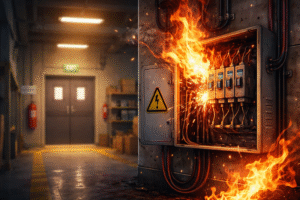
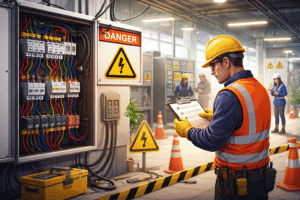
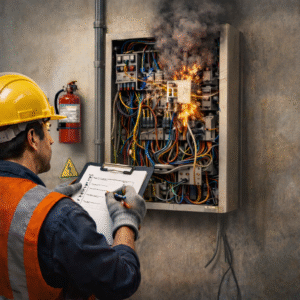
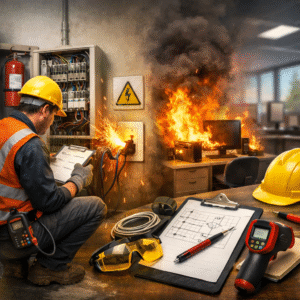
Electricity is one of the most critical systems supporting modern business operations. From lighting and HVAC systems to machinery, data networks and safety equipment, commercial and industrial facilities rely on complex electrical infrastructure every day. When electrical systems are designed, installed or maintained incorrectly, the consequences can be severe.
This is why businesses must work with licensed commercial and industrial electricians. Licensing is not just a formality. It is a safeguard that ensures electrical work meets safety standards, regulatory requirements and operational demands. This article explains why licensed professionals are essential, the risks of unlicensed electrical work, and how proper electrical expertise protects businesses in the long term.
What Are Licensed Commercial and Industrial Electricians?
Licensed commercial and industrial electricians are qualified professionals authorised to perform electrical work in business and industrial environments. Their licensing confirms that they have met training, competency and regulatory requirements set by governing bodies.
Unlike residential electricians, commercial and industrial electricians work with:
- Higher electrical loads
- Complex distribution systems
- Industrial equipment and machinery
- Strict compliance and safety standards
Licensing ensures these electricians have the knowledge and experience to manage these risks responsibly.
Why Licensing Matters for Businesses
Electrical licensing exists to protect people, property and operations. For businesses, the stakes are higher due to the scale and complexity of electrical systems.
What Licensing Confirms
- Formal training and technical competence
- Understanding of safety regulations
- Knowledge of applicable standards
- Legal authorisation to perform electrical work
Without proper licensing, electrical work may be unsafe, non-compliant or legally invalid.
Electrical Safety Is a Business Responsibility
Businesses have a legal and ethical obligation to provide a safe environment for employees, customers and visitors.
Common Electrical Safety Risks
- Overloaded circuits
- Faulty switchboards
- Inadequate protection devices
- Poor-quality installations
- Ageing electrical infrastructure
Licensed commercial and industrial electricians are trained to identify and mitigate these risks. Their work reduces the likelihood of electrical fires, equipment damage and serious injury.
Unlicensed Electrical Work Creates Serious Liability
Some businesses are tempted to cut costs by using unlicensed or underqualified electrical workers. This decision often leads to far greater costs later.
Risks of Unlicensed Electrical Work
- Increased risk of electrical faults
- Non-compliant installations
- Failed inspections
- Insurance claims being denied
- Legal liability in the event of an incident
If an electrical incident occurs, businesses may be held responsible for engaging unlicensed workers.
Compliance Is Not Optional for Commercial and Industrial Sites
Commercial and industrial electrical systems must comply with safety standards and regulatory requirements. These obligations apply regardless of business size.
Why Compliance Matters
- Regulatory bodies conduct inspections
- Insurers require proof of compliant installations
- Non-compliance can result in fines or shutdowns
Licensed electricians understand compliance requirements and ensure electrical work meets the necessary standards from the outset.
Licensed Electricians Protect Business Continuity
Electrical failures can disrupt operations instantly. For many businesses, downtime results in lost revenue, missed deadlines and reputational damage.
How Licensed Electricians Improve Reliability
- Correct system sizing
- Proper protection coordination
- Quality installation practices
- Preventative maintenance recommendations
Licensed professionals focus on long-term system performance, not just short-term fixes.
Commercial and Industrial Systems Require Specialist Knowledge
Electrical systems in business and industrial environments are far more complex than residential systems.
Examples of Complexity
- High-voltage distribution
- Motor control systems
- Automation and control equipment
- Backup power and emergency systems
Licensed commercial and industrial electricians are trained to work safely within these environments and understand how systems interact under load.
Preventing Costly Rework and Repairs
Poor-quality electrical work often needs to be corrected later.
Why Rework Is Expensive
- Finished areas must be opened
- Equipment may be damaged
- Operations may be disrupted
Licensed electricians reduce rework by doing the job correctly the first time, following best practices and verified standards.
Supporting Equipment Performance and Lifespan
Electrical quality directly affects equipment performance.
Poor Electrical Work Can Cause
- Voltage instability
- Overheating
- Premature equipment failure
Licensed commercial and industrial electricians ensure systems deliver stable, reliable power, which extends equipment lifespan and reduces replacement costs.
Energy Efficiency Starts With Proper Electrical Work
Energy costs are a major operating expense for many businesses.
How Licensed Electricians Support Efficiency
- Correct equipment sizing
- Efficient lighting installations
- Load balancing
- Identifying energy waste
Well-installed systems operate more efficiently and reduce unnecessary power consumption.
Documentation and Accountability Matter
Commercial and industrial electrical work requires proper documentation.
What Licensed Electricians Provide
- Testing and verification records
- Compliance certificates
- Clear documentation for audits and maintenance
This documentation protects businesses during inspections, insurance claims and future upgrades.
When Businesses Most Need Licensed Commercial and Industrial Electricians
Businesses should always use licensed electricians, but their importance is especially clear when:
- Installing new equipment or machinery
- Expanding or renovating facilities
- Managing high electrical loads
- Experiencing recurring electrical faults
- Preparing for audits or compliance reviews
In these situations, unqualified work creates unnecessary risk.
Licensed Electricians vs General Electrical Services
Not all electricians are suitable for commercial or industrial work.
Key Differences
- Commercial and industrial electricians have specialist training
- They understand complex systems and compliance obligations
- They manage higher safety risks
Businesses should verify licensing and relevant experience before engaging electrical services.
How Licensed Electricians Support Long-Term Business Growth?
As businesses grow, electrical demands increase.
Growth-Related Electrical Challenges
- Increased power demand
- Additional equipment
- Extended operating hours
Licensed electricians help plan upgrades that support growth without compromising safety or reliability.
Industries That Rely Heavily on Licensed Commercial and Industrial Electricians
These professionals are essential in:
- Manufacturing and processing facilities
- Warehouses and logistics centres
- Retail and shopping centres
- Offices and corporate buildings
- Healthcare and medical facilities
- Hospitality and food production
In these environments, electrical failure can have serious consequences.
Frequently AskedQuestions
Why must businesses use licensed electricians?
Licensing ensures electrical work is safe, compliant and legally valid. It protects businesses from liability and operational risk.
Is unlicensed electrical work illegal for businesses?
Yes. In most cases, electrical work must be carried out or supervised by licensed professionals.
Do licensed electricians cost more?
They may cost more upfront, but they reduce long-term costs by preventing failures, rework and compliance issues.
How can a business check if an electrician is licensed?
Licensing can be verified through state or territory regulatory bodies.
Are licensed electricians required for maintenance as well as installations?
Yes. Maintenance and repairs must also be performed by licensed electricians to ensure safety and compliance.
Conclusion
Electrical systems are critical to business safety, productivity and profitability. Using licensed commercial and industrial electricians is not just best practice. It is essential for protecting people, assets and operations. From compliance and safety to reliability and energy efficiency, licensed professionals deliver outcomes that unqualified work simply cannot match.
Businesses that invest in licensed expertise avoid unnecessary risk, reduce downtime and gain confidence that their electrical systems will perform as required now and in the future.
At ASJ Electrical Solutions, licensed commercial and industrial electricians support businesses with safe, compliant and reliable electrical services tailored to operational needs. With a strong focus on quality, accountability and long-term performance, ASJ helps businesses maintain electrical systems they can rely on every day. Choosing licensed expertise is not about added cost. It is about protecting the foundation your business depends on.